On an absolutely freezing day on February 15, 2020, our bundled up class took a short 5-minute bus to the Andover transfer station. In class before this excursion, we had gone over multiple methods of disposal as well as the effects it has on our economy, society, and environment. However, it wasn’t until when we arrived; we were able to see how this industry operated first hand. Knowing the three main concepts in waste management, reduction, recovery, and disposal, we were able to see for ourselves how each category was dealt with.
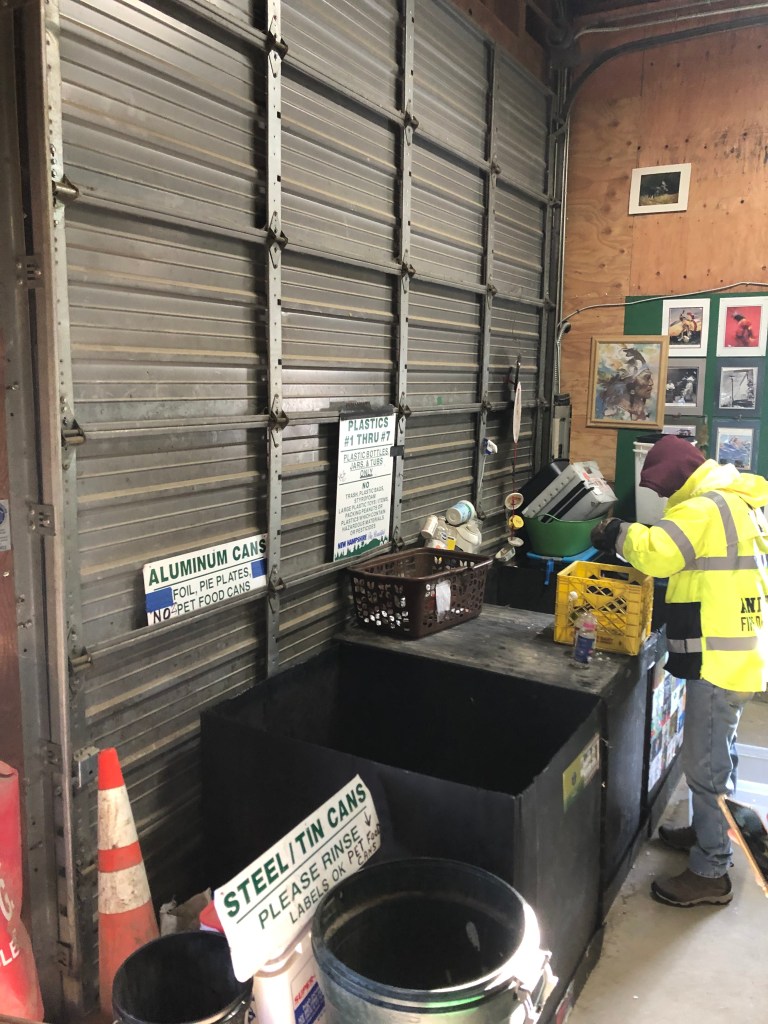
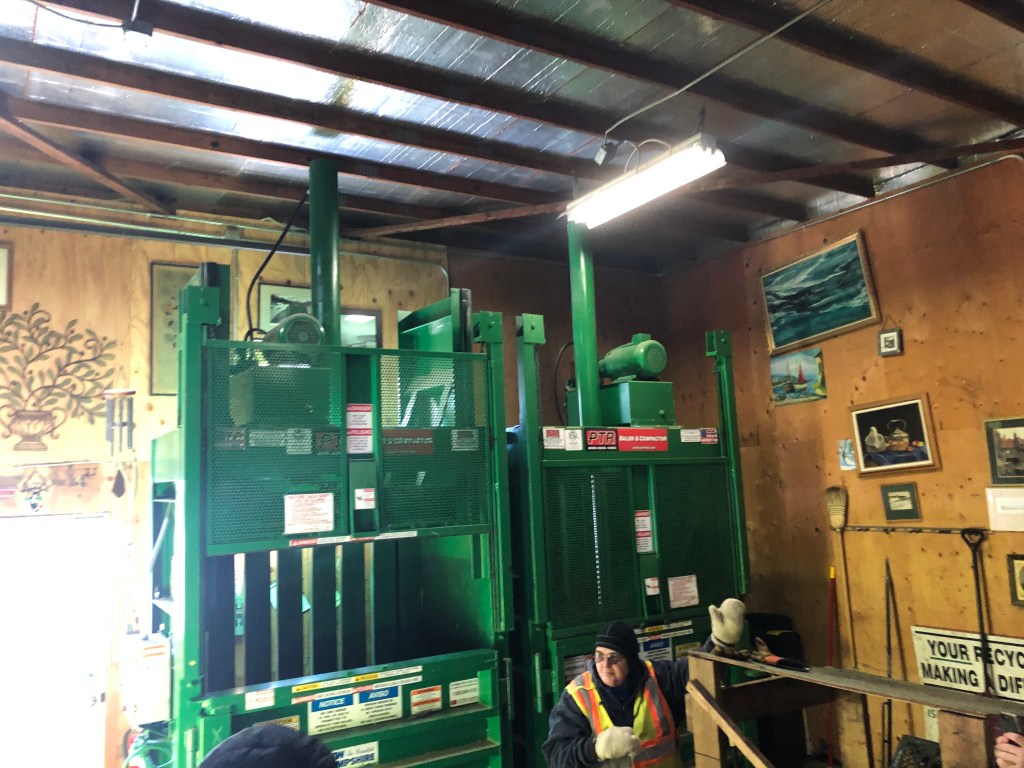
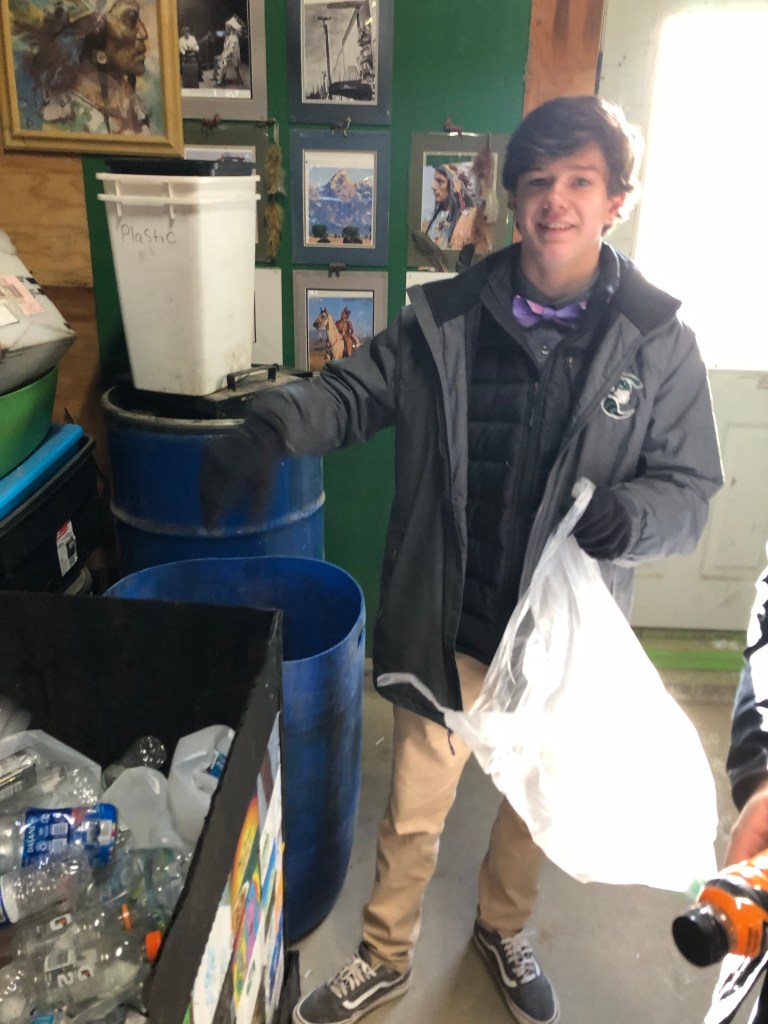
When we arrived at the station, we walked into a poorly insulated small building and were greeted by a worker who briefly introduced us to the ins and outs of the quaint establishment. Here there were two bailers, an e-waste pile, and a couple of sorting bins for cardboard and plastic bottles. To gain experience in the process on a first-hand basis, we brought our own bags of trash that we collected in the previous week when we conducted the Trash Consumer Analysis. As we sorted our waste into the correct bins, the worker explained the bailing process of converting the recyclable materials into compacted cubes. She stated, “Once those bins are relatively full, we put them into the bailer and squish them down. They go out back for storage.” She turned on the bailer, so we were able to view how it worked. Instead of the cardboard staying in its compacted form after thousands of pounds of pressure were applied to it, I observed that it almost popped right back up into its original form.
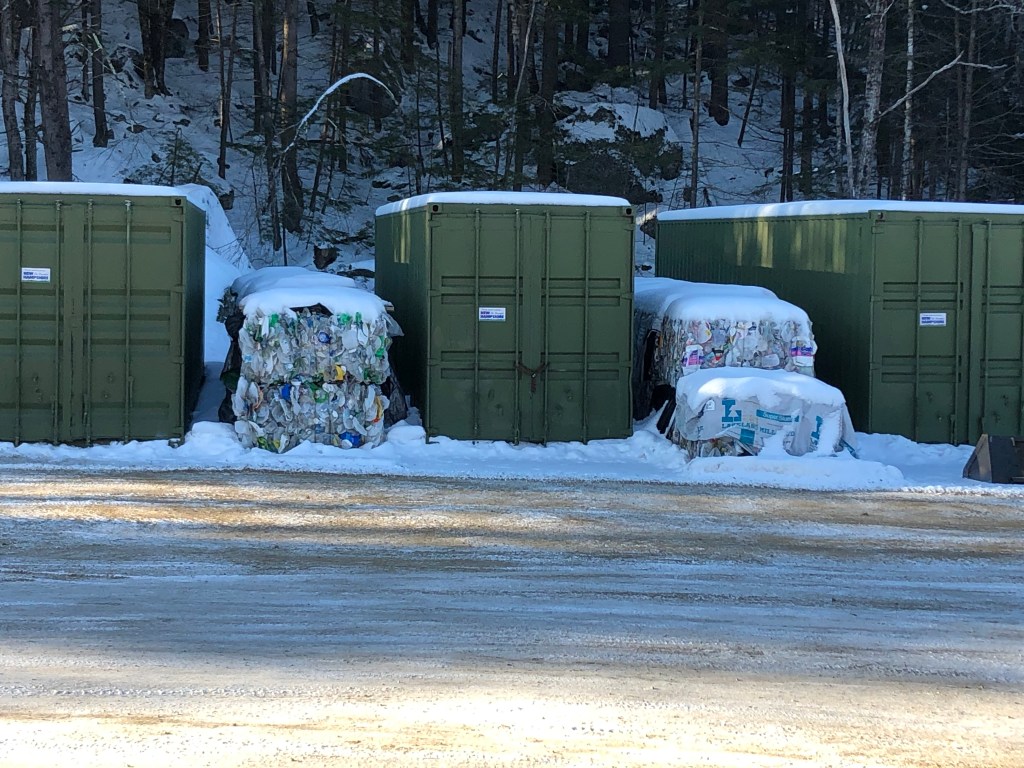
With so much effort going into sorting and compacting a single cube of trash, it would seem that it would pay off in some sorts when selling them back to companies for reuse. Unfortunately, the truth was the opposite. When Alan and Rio asked how much money the transfer station receives per bale of recycled plastic and cardboard, she said, “We don’t get paid any money for it, and it costs 470 dollars to ship it down to Massachusetts. The bales are just sitting there in the back and they have been for six to seven months. We are waiting for the prices to increase because right now, it would cost us more money to get rid of them.” This unsettling fact makes you think about how our nation’s recycling industry is declining. Stations like these are unable to make any money off of their work. Even though they do charge people when depositing the trash, such as construction debris, it is such a small amount that it rarely offsets costs. In terms of the construction debris, she said, “Last year, we lost around seven thousand dollars because my bins are sitting out there getting wet and gaining weight.” It seems that the only way stations like the one in Andover are going to make any money is by increasing their disposal prices.
The trip to the transfer station concluded to be very interesting and helping one. Although the station that we went to is only for a small number of people, many flaws were discovered in their process that hindered their efficiency and ability to make money. Although not all of it can be controlled by the workers, such as not including bottle caps when bailing the recycled plastic bottles or the amount of money they receive when selling bales, methods such as placing a cover over the construction debris bin and charging more money towards citizens who dispose of their trash could improve how much they make. Overall, this field trip conclusively demonstrated what happens to our waste when we dispose of it.
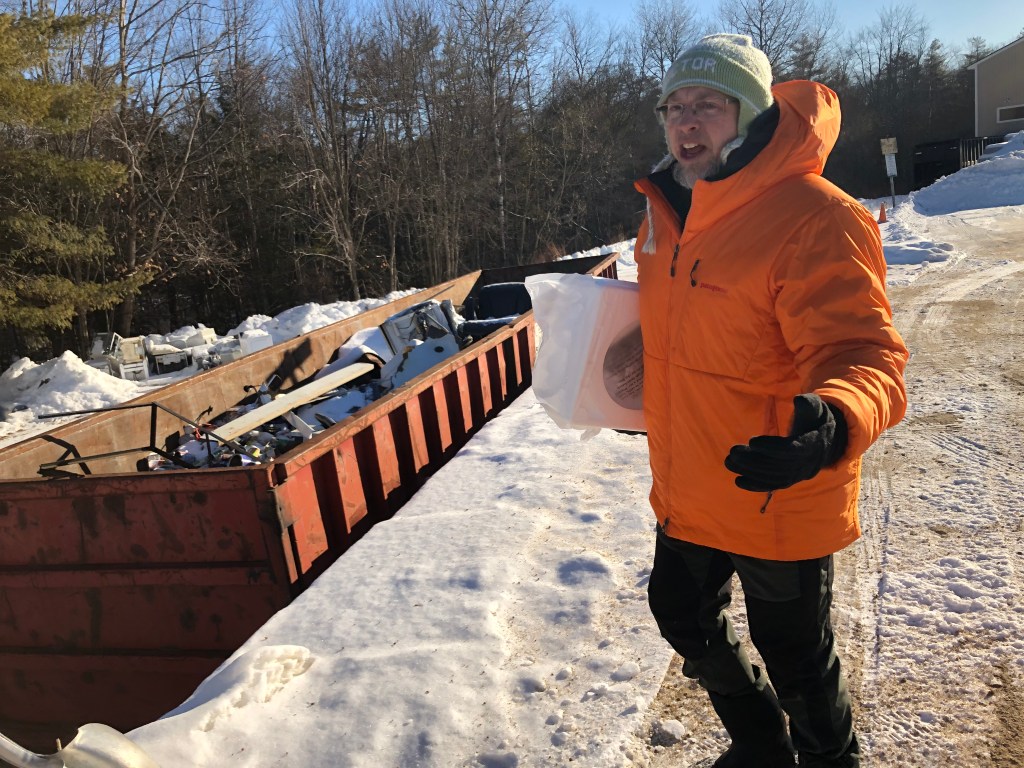
Despite the frigid temperatures, I thoroughly enjoyed this field trip. It was fascinating to see how my trash was disposed of on a first-hand basis. This excursion, as well as my personal waste project, caused me to be more aware of the decisions I choose throughout my day when it comes to monitoring my waste. For example, after learning how much of a pain plastic bottle caps are to the people who work at the station, I refrain from placing them in recycling bins and instead dispose of them into the trash. Prior to this topic, I was kind of aware that there was a problem with excessive amounts of waste and it’s management process especially in the United States, However now, I am able to understand the direct implications concerning this industry and the necessary actions that must be taken to become a cleaner society.
 Billy's Blog