In AP environmental science, our class was tasked with the job to audit the amount of energy that we use in our daily homes. Due to the fact that we are in quarantine, we are able to use the excessive amount of free time that we get each day to learn about a special skill that will be used in our future.
Device
Location
Quantity
Wattage
Total Wattage
Hours of Operation
kWh
Cost per kWh
Total Annual Cost
Overhead Lights
All around the house
26
50
1,300
7
9.1
0.11
$365.00
Refridgerator
Kitchen
1
107
107
24
2.5
0.11
$100.00
TV
Family room
2
190
380
10
3.8
0.11
$152.00
Lamps
All around the house
22
60
1,320
7
9.3
0.11
$361.00
If the world goal is planning to reach net-zero emissions by 2050, I do think I can drawdown my emissions to zero. However, in doing this, there will need to be many severe modifications in terms of technology. Solar power will need to be upgraded and made more cheep. Cars will also need to go completely electric while at the same time being significantly cheaper. I believe this is possible; however, it will not be easy. I will need to invest in whatever clean energy I can get in order to reduce my emissions to zero.
This project allowed us to become fully aware of how much energy our households use as a hole. This has allowed us to become more in tune with our surroundings in terms of energy consumption. I enjoyed completing the energy audit of my house as I have always wondered how much energy this house consumes. My dad always reminds me to turn off the lights before I go to bed, and now I see why. Although I did think that it would cost more money to run the house, I understand that this projection is not completely accurate as it is an estimation. I look forward to finding out how much of a carbon footprint other things in my family’s possession makes.
The city of Charlotte, North Carolina, is continuing to rise in the rankings of the total population in the US. Being one of the fastest-growing cities in the nation in terms of population as well as its reputation of being the second-largest banking city in the country, Charlotte is becoming more and more popular by the year. However, with this popularity comes environmental side effects such as emissions and waste. The average two-person household in Charlotte produces an average of 61.7 tons of CO2 a year, which is over 3 tons above the national average. Due to the city’s modern initiative, it has made strides in order to become a cleaner city.
In December of 2018, Charlotte’s city council adopted and signed the Strategic Energy Action Plan. The SHEEP’s intended purpose is to aggressively reduce greenhouse gas emissions for the foreseeable future. Their main goal is stated as “to become a low carbon city by 2050 by reducing greenhouse gas emissions to below 2 tons of CO2 equivalent per person annually.” By 2030, Charlotte is striving to have 100% carbon-free sources fuel its fleet and facilities. In terms of transportation, last year the city made significant environmental strives. For example, they purchased new electric vehicles to serve in transportation around the city and airport, created and made improved decisions about vehicle life-cycle costs, and installed over 630 automatic vehicle locators across city department vehicles. An employee of the office sustainability stated, “Integrating electric cars into our fleet saves us time in fuel and maintenance and promotes a cleaner, healthier city.” When making strides to transform the governmental facilities, Charlotte attempted to reduce the production of greenhouse among as many buildings as they could within the budget. They revised the city’s former policy for Sustainable Facilities, increased the energy audits in order to prioritize energy efficiency retrofits, and constructed multiple new police and fire stations that rely on solar energy. The multiple energy-efficient changes that Charlotte has made just in the first year with their involvement in the Strategic Energy Action Plan makes the future seem bright.
To add to Charlotte’s attempt to make its city greener, the office of sustainability organized a program called Freshlist. Fresh list is a pilot program that was constructed to bring natural, locally-sourced fresh produce to its markets and grocery stores in order to make them more accessible for city employees. As described in Charlotte’s one year record, “Freshlist is a small, Charlotte business that works with over 21 local, family farms and food artisans.” It aims to provide steady cash flow for farms that are implementing sustainable practices into their agriculture.
The city of Charlotte plans to continue its efforts to reduce greenhouse gas emissions in the future. In 2020, the city plans to implement a number of energy-efficient changes from analyzing and installing solar energy sources to power government buildings to advancing the installation of Automatic Vehicle Locators across the city’s entire vehicle fleet. For one of the bigger cities in the eastern part of the United States, I think that Charlotte looks towards a hopeful green future. I found researching my city’s emissions and the strides that it is taking to reduce them very interesting. At first I had trouble finding information concerning the specific ways that Charlotte is doing to reduce greenhouse gases, however I hit gold when I simply looked at the government site. It was right in front of me the whole time. I attempted calling Charlotte’s office of sustainability; however, I was cut short when I was put on a never ended hold. Other than the implementation of the electric scooters that scattered across downtown, I didn’t know that the city was doing so much to go green. It surprised me that they set such high goals for the future; however, I believe this will end up benefits the city and the planet in the long run.
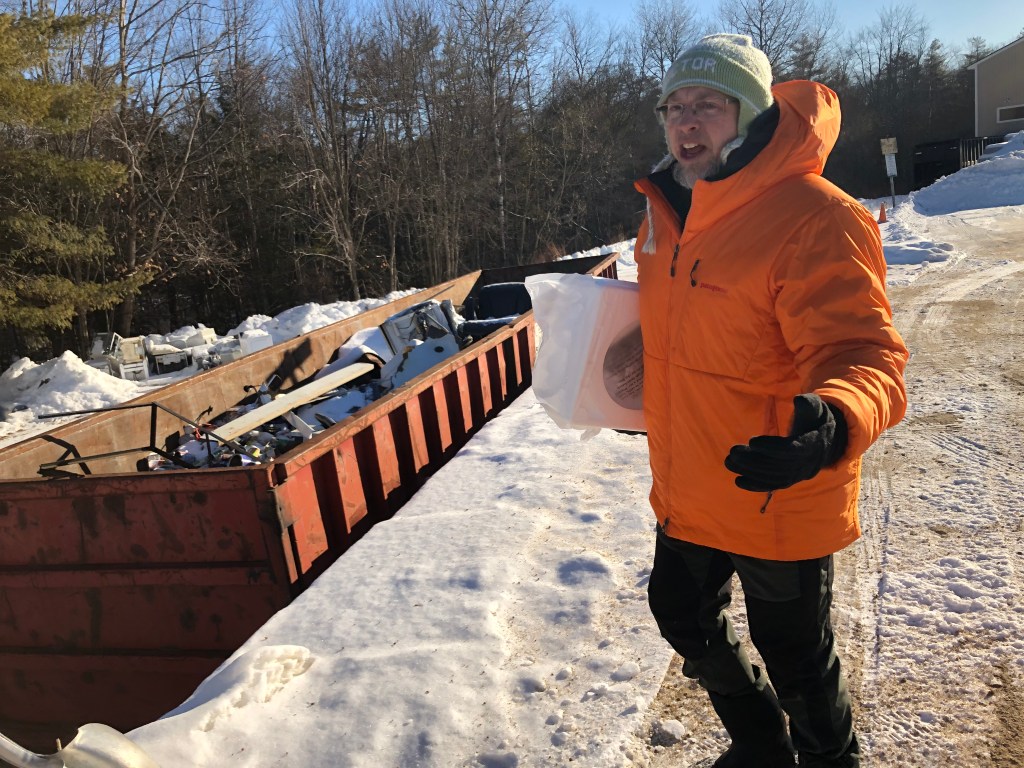
On an absolutely freezing day on February 15, 2020, our bundled up class took a short 5-minute bus to the Andover transfer station. In class before this excursion, we had gone over multiple methods of disposal as well as the effects it has on our economy, society, and environment. However, it wasn’t until when we arrived; we were able to see how this industry operated first hand. Knowing the three main concepts in waste management, reduction, recovery, and disposal, we were able to see for ourselves how each category was dealt with.
Taken by Billy Benson
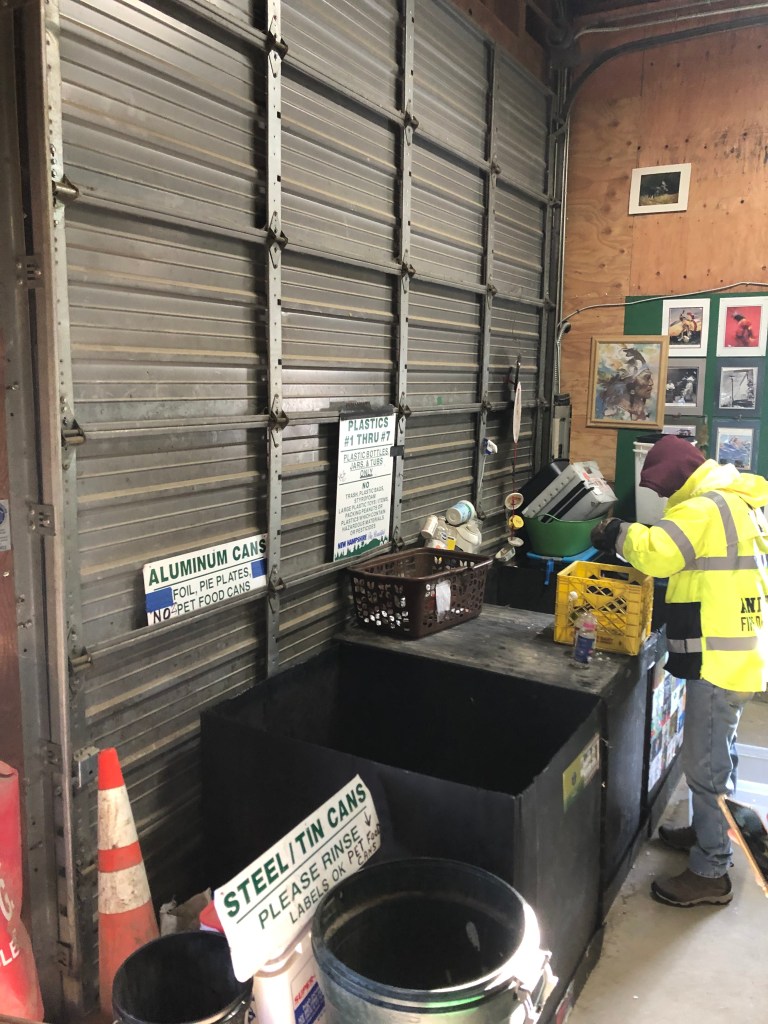
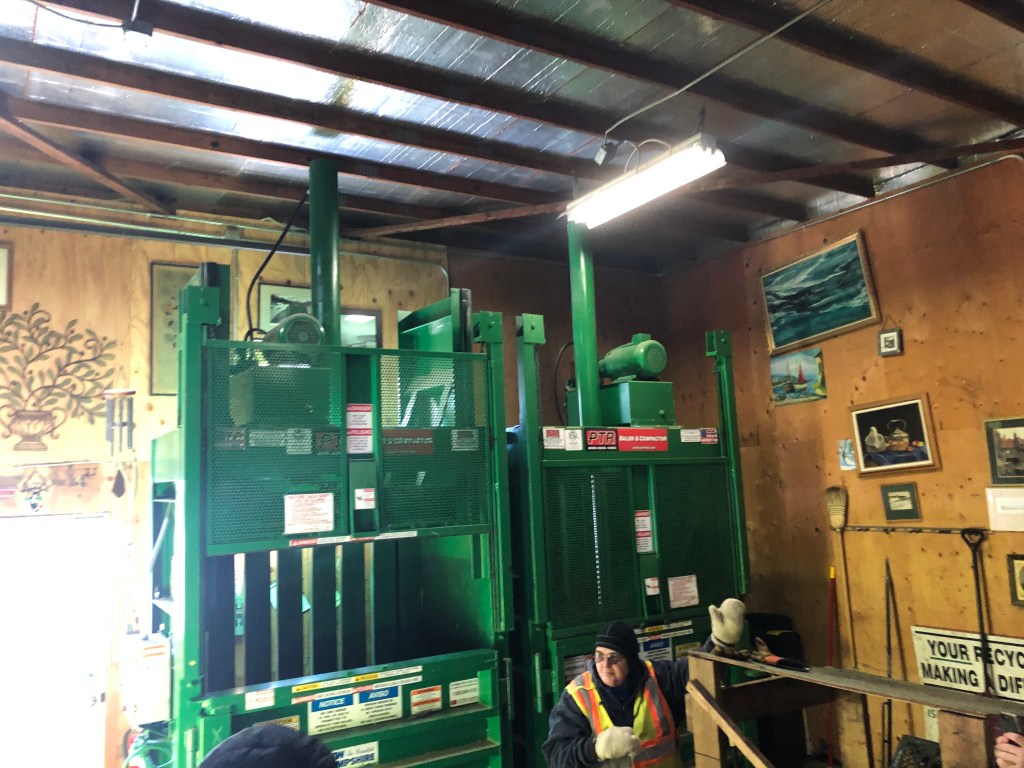
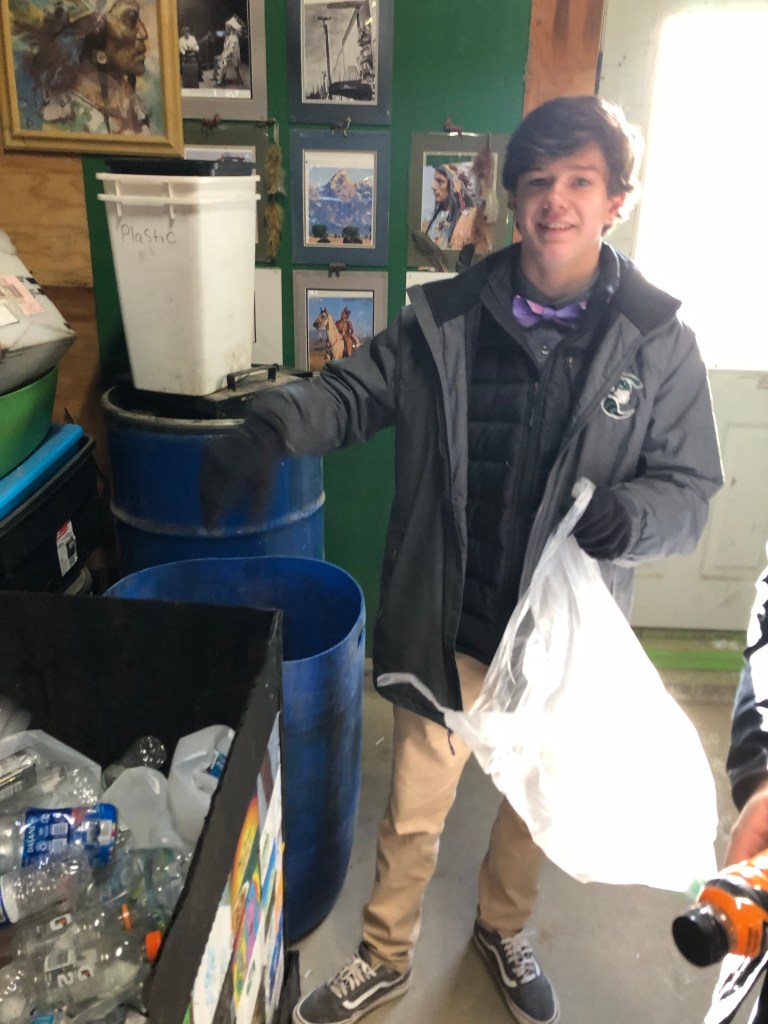
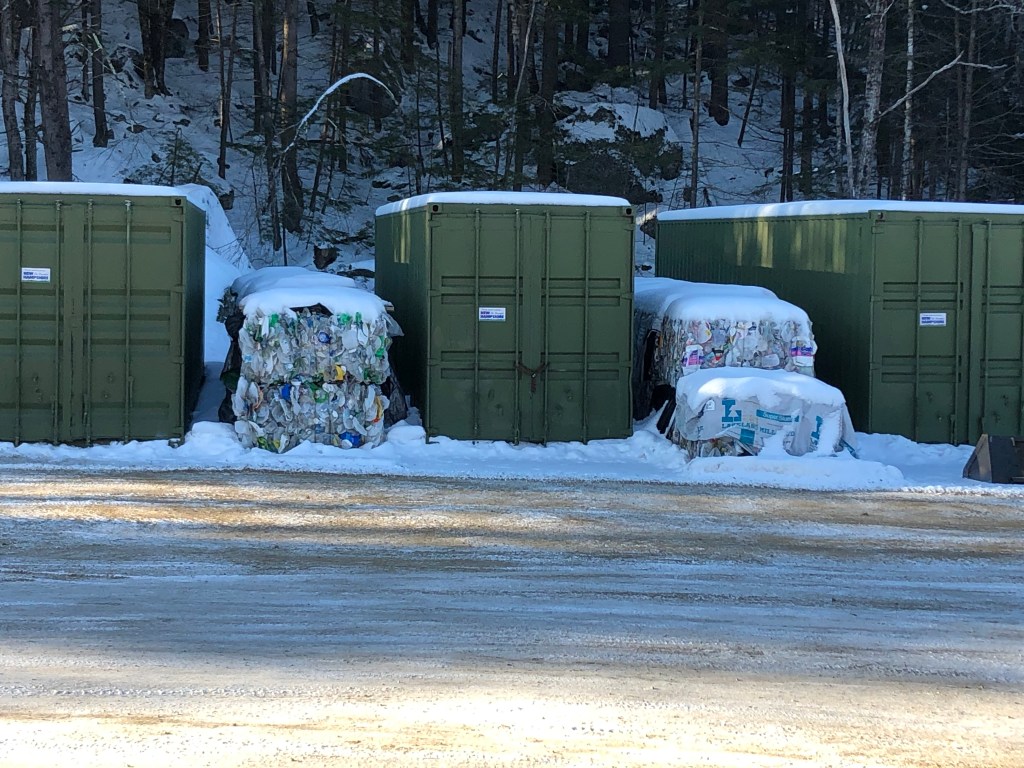
When we arrived at the station, we walked into a poorly insulated small building and were greeted by a worker who briefly introduced us to the ins and outs of the quaint establishment. Here there were two bailers, an e-waste pile, and a couple of sorting bins for cardboard and plastic bottles. To gain experience in the process on a first-hand basis, we brought our own bags of trash that we collected in the previous week when we conducted the Trash Consumer Analysis. As we sorted our waste into the correct bins, the worker explained the bailing process of converting the recyclable materials into compacted cubes. She stated, “Once those bins are relatively full, we put them into the bailer and squish them down. They go out back for storage.” She turned on the bailer, so we were able to view how it worked. Instead of the cardboard staying in its compacted form after thousands of pounds of pressure were applied to it, I observed that it almost popped right back up into its original form.
Taken by Billy Benson
Taken by Billy Benson
With so much effort going into sorting and compacting a single cube of trash, it would seem that it would pay off in some sorts when selling them back to companies for reuse. Unfortunately, the truth was the opposite. When Alan and Rio asked how much money the transfer station receives per bale of recycled plastic and cardboard, she said, “We don’t get paid any money for it, and it costs 470 dollars to ship it down to Massachusetts. The bales are just sitting there in the back and they have been for six to seven months. We are waiting for the prices to increase because right now, it would cost us more money to get rid of them.” This unsettling fact makes you think about how our nation’s recycling industry is declining. Stations like these are unable to make any money off of their work. Even though they do charge people when depositing the trash, such as construction debris, it is such a small amount that it rarely offsets costs. In terms of the construction debris, she said, “Last year, we lost around seven thousand dollars because my bins are sitting out there getting wet and gaining weight.” It seems that the only way stations like the one in Andover are going to make any money is by increasing their disposal prices.
Taken by Billy Benson
The trip to the transfer station concluded to be very interesting and helping one. Although the station that we went to is only for a small number of people, many flaws were discovered in their process that hindered their efficiency and ability to make money. Although not all of it can be controlled by the workers, such as not including bottle caps when bailing the recycled plastic bottles or the amount of money they receive when selling bales, methods such as placing a cover over the construction debris bin and charging more money towards citizens who dispose of their trash could improve how much they make. Overall, this field trip conclusively demonstrated what happens to our waste when we dispose of it.
Taken by Billy Benson
Despite the frigid temperatures, I thoroughly enjoyed this field trip. It was fascinating to see how my trash was disposed of on a first-hand basis. This excursion, as well as my personal waste project, caused me to be more aware of the decisions I choose throughout my day when it comes to monitoring my waste. For example, after learning how much of a pain plastic bottle caps are to the people who work at the station, I refrain from placing them in recycling bins and instead dispose of them into the trash. Prior to this topic, I was kind of aware that there was a problem with excessive amounts of waste and it’s management process especially in the United States, However now, I am able to understand the direct implications concerning this industry and the necessary actions that must be taken to become a cleaner society.
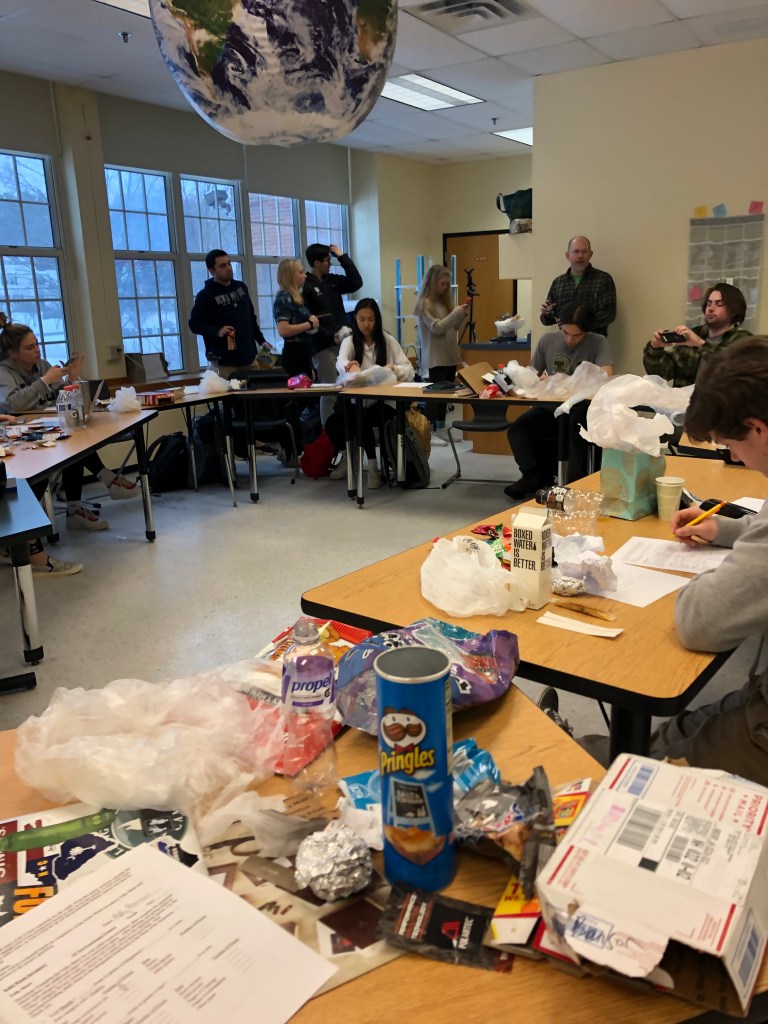
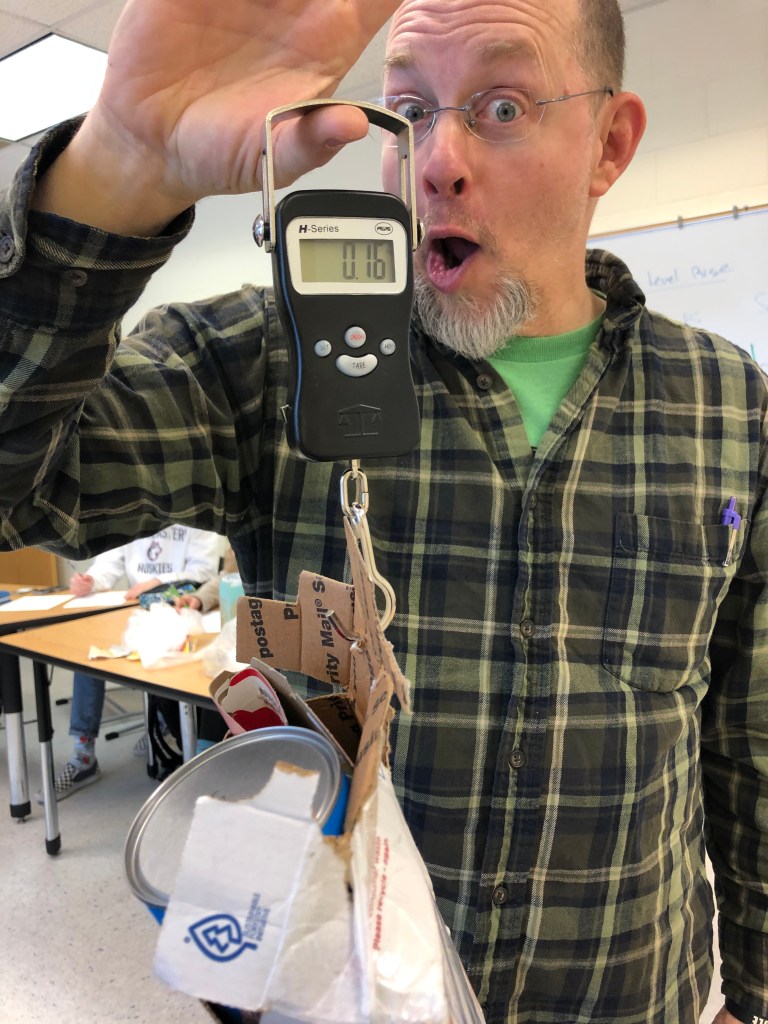
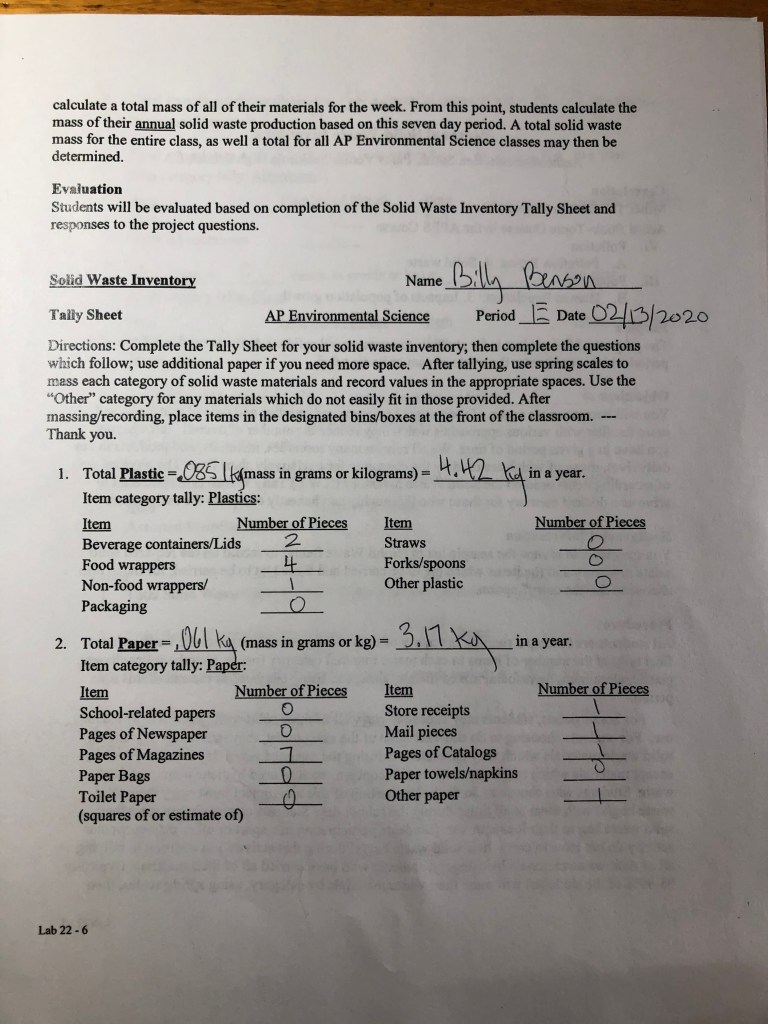
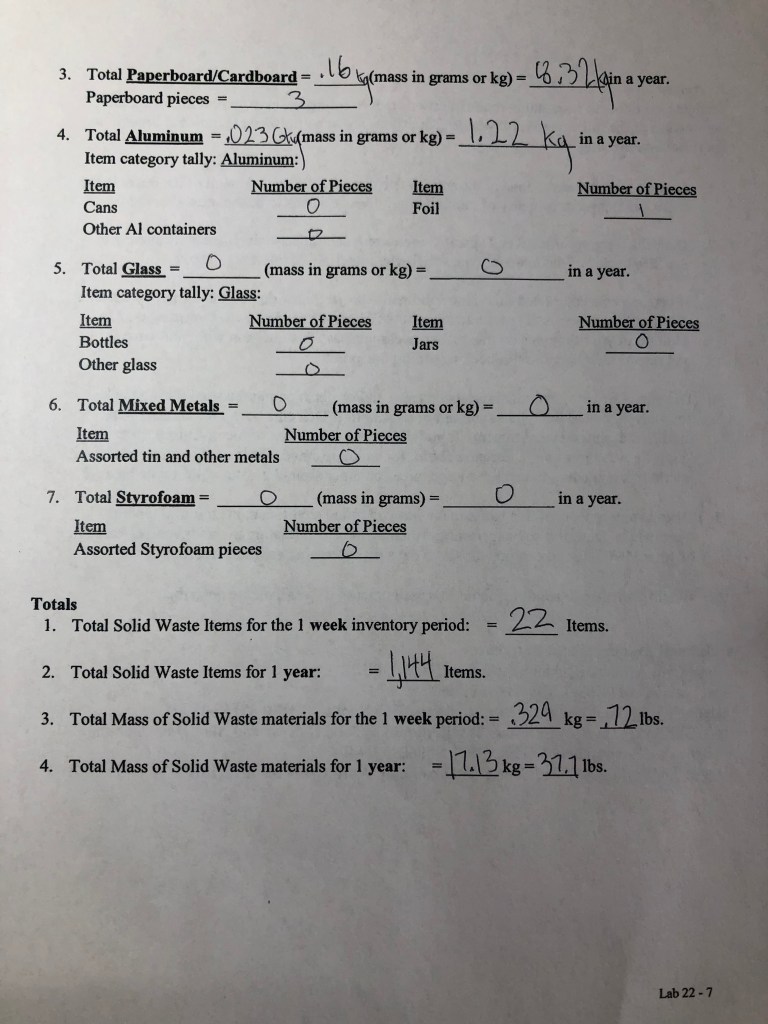
The category of municipal solid waste that seemed to be most abundant on all of the desks in the room was plastic packaging. Especially, in among the age group of teenagers who are constantly hungry
One environmental impact of the life cycle of plastics is the harm that they cause towards species of the ocean. Ingestion of these plastics can lead to various health problems such as suffocation and entanglement. Marine wildlife such as seabirds, whales, fishes and turtles, mistake plastic waste for prey, and most die of starvation as their stomachs are filled with plastic debris. Another environmental impact that plastic has on the world is their disruption of plant growth. When plastic enters the soil, it can lessen the growth of plants and trees by blocking the absorption of minerals, water, and other nutrients. Another environmental impact of plastics in today’s world is the effect that their presence in landfills has on our waters. Plastic buried deep in landfills can leach harmful chemicals that spread into groundwater and cause contamination.
If my parents completed the exact same solid waste project, I believe that they would have a significantly more amount of waste then me. At boarding school, many incentives that limit our usage of packaging and waste are provided for us by Proctor. Options such as serving ourselves during all meals at the dining hall reduces more food packaging than if we were to go to a chipotle or any ordering restaurant. We as students also do not have easy access to grocery stores where we can constantly refill our snacks, resulting in some days, our only food option is that from the dining hall. Although the dining hall consumes food packaging when preparing our meals, buying products in bulk significantly decreases the amount of waste that is being produced. When discussing this topic with my parents, they agreed to my conclusion that they would in fact produce more municipal waste than I. Other than the large amount of food I consume outside of our daily three meals, they said I had an “unfair” advantage because I have access to an all you can eat buffet 24/7 without having to deal with packaging.
Due to the relatively small amounts of waste that I consumed, I never truly worried or modified my food choices during this experiment. In addition, when it comes to fluids, I usually only drink water out of my nalgene so I rarely have to throw away any water bottles or cans. Whenever I did produce waste it was due to my hunger which unfortunately normally outweighs the urge to resist packaged goods. Although the assignment did make me more aware of what I was consuming on a day to day basis, it never had a significant impact on what I consumed
This assignment turned out to be pretty significant and meaningful, as it allowed me to see how my consumption of good can have potential risk on the environment. It brought back many memories of my voyage on Ocean Classroom, as we were tasked with the exact same assignment except it was over the duration of a month and a half. One can never truly imagine their ecological footprint when it comes to waste consumption without creating a visual representation. Visuals like this experiment create a more meaningful impact to the person who is conducting it because they have to keep it in their possession for an uncomfortable amount of time. We as humans have evolved to the point where we now subconsciously dispose of everyday objects and then forget about it. As we have seen through images and videos, these subconscious efforts have decimating effects on our environment and assignments like these can help prevent that mindset.
Despite the experiment running extremely smoothly, one factor that I would add to this experiment is food waste. Obviously it would be utterly disgusting to carry around rotting food for a week; however, having students take pictures of their plates and then estimating how much they had left over could be a possible replacement option.
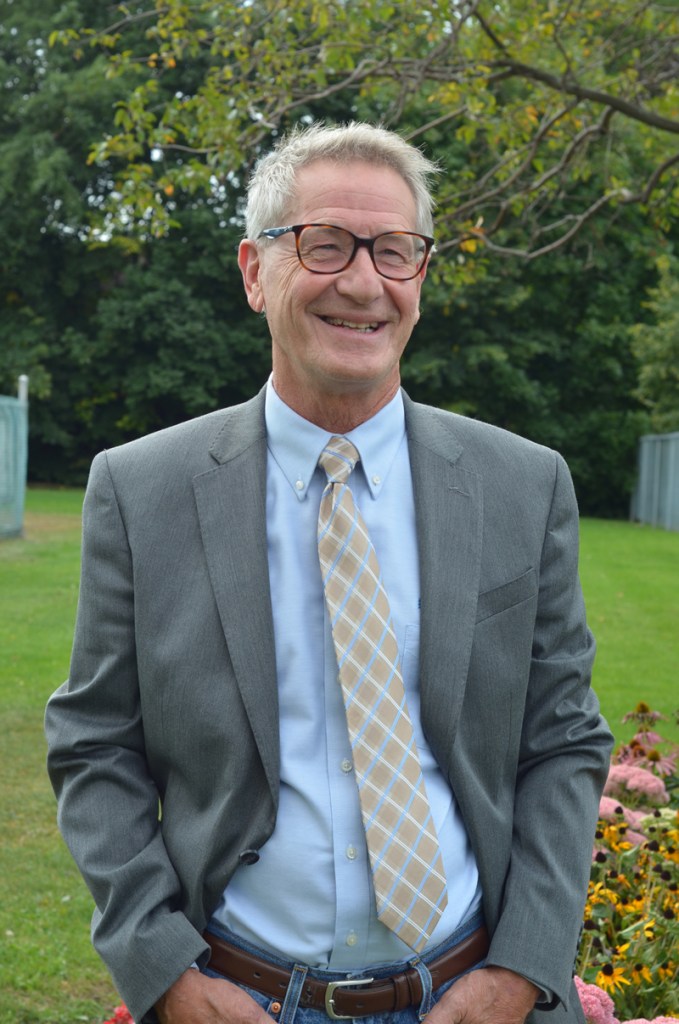
On January 28, 2020, our AP Environmental Science class had the pleasure of welcoming guest speaker, Kent Armstrong, to talk to us about his seemingly groundbreaking process of controlling as well as cleaning up toxic waste. Despite majoring in religious studies during his undergrad year, Kent took a liking towards biology and studied Terrestrial Ecology at California State University. With his knowledge of microbes, Kent founded the company known as Terrastryke in 2008. Terrastryke is a toxic waste cleanup company that focuses on sustainable remediation techniques of hazardous waste. He described his company’s main idea as, “Attempting to leverage what mother nature already does.”
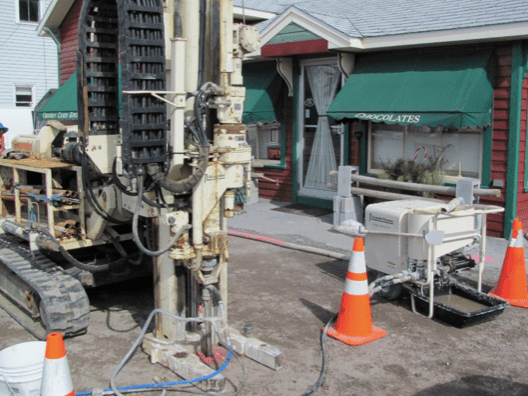
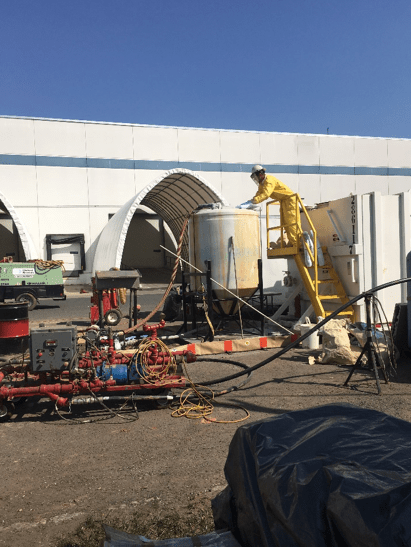
Expanding on this statement, Kent began a rough explanation of how his company uses the earth’s natural resources to their advantage. Through Terrastyrke’s process, their goal is to biostimulant microbial populations. They accomplish this by using probes to inject additives into the contaminated soil that is underground. The additives contain nutrient-rich supplements that nourish the microbes. When asked how these microbes use the additive to the benefit, Kent responded, “Depending on what we need to make them do, what we inject, kickstart them from their dormant conditions and they secondarily eat the contaminant.” The bug’s ability to secondarily eat the hazardous waste allows for a sustainable and low impact way of managing toxins in our environment.
Sourced from Kent’s Terrastryke presentation
Due to their digestive capabilities, Kent explained to us that whenever the microbes group together, they create a biofilm. After conversing with Dr. Bonny Vascular, he found a relation of biofilm between the medical world and his job. When patients receive bacterial infection in anaerobic places such as hip replacement, it is generally due to a formed biofilm. Kent started with a rhetorical question, “I asked myself, why not apply that underground in our field of work? So I was able to leverage the nutrient-poor soil that is contaminated and allow a few dormant bugs to use the biofilm as food.” This biofilm acts as a reliable source of nutrients long after the additive injection, which manages the hazardous waste contamination for years to come. It allows the bugs to evolve into using that nutrient sources as their primary source of energy to enable us to understand this operation through visual representation better, Kent drew us a diagram of how Terrastryke would benefit a gas station that has a leak in an underground gasoline storage tank. The activated microbes control the discharged gasoline and prevent it from spreading to other areas such as underground reservoirs.
Sourced from Kent’s presentation
Wondering why this expensive process is a better option than digging out and removing the contaminated soil, Kent explained that a building with toxic chemicals under it would be forced to be torn apart to reach this soil. Even then, after the excavation process is complete, the removed soil would still have contaminants in them, which would cause toxicity at another location. In some cases, not all of the pollutants would be removed, and the remains would be able to continue its destructive path of seeping into areas such as our aquifers.
Sourced from Kent’s presentation
Kent Armstrong’s presentation clearly showed that he had a passion for this line of work as well as an appreciation of the world. His astonishing process of removing hazardous chemicals for underground soil is very enlightening. Using the earth’s natural resources is an incredible solution to spill cleanups. Although sometimes his enthusiasm led to a tangent, his thoroughness and relatable examples allowed the class to fully indulge his innovative solution to clean human kinds toxic mistakes. Hopefully, Kent and Terrastryke’s creativity and the eco-friendly solution will influence other companies to come up with beneficial ways to fix the ecological footprint that we have made on the planet we love.
Personally, I thought that Kent’s presentation was thrilling. I found his way of using the environment’s microbes to clean up toxic chemical spills so cool. His contagious excitement toward his job allowed me to retain the information better and even want to get more involved in the research side of toxic cleanup. I do wish that Kent reflected on how the microbes in the soil secondarily dissolved and consumed toe contaminants; however, he was pretty thorough all around. Kent is a very interesting, enthusiastic, and knowledgeable man, and I am glad that I was able to listen to him speak.
PBDEs, also known as polybrominated diphenyl ethers are a class of fame retardents found in many daily consumer items. Intended to slow the rate of ignition and fire growth, studys show that their bioacculimation in widlife and humans is in fact toxic and in someplaces lethal.



 Billy's Blog